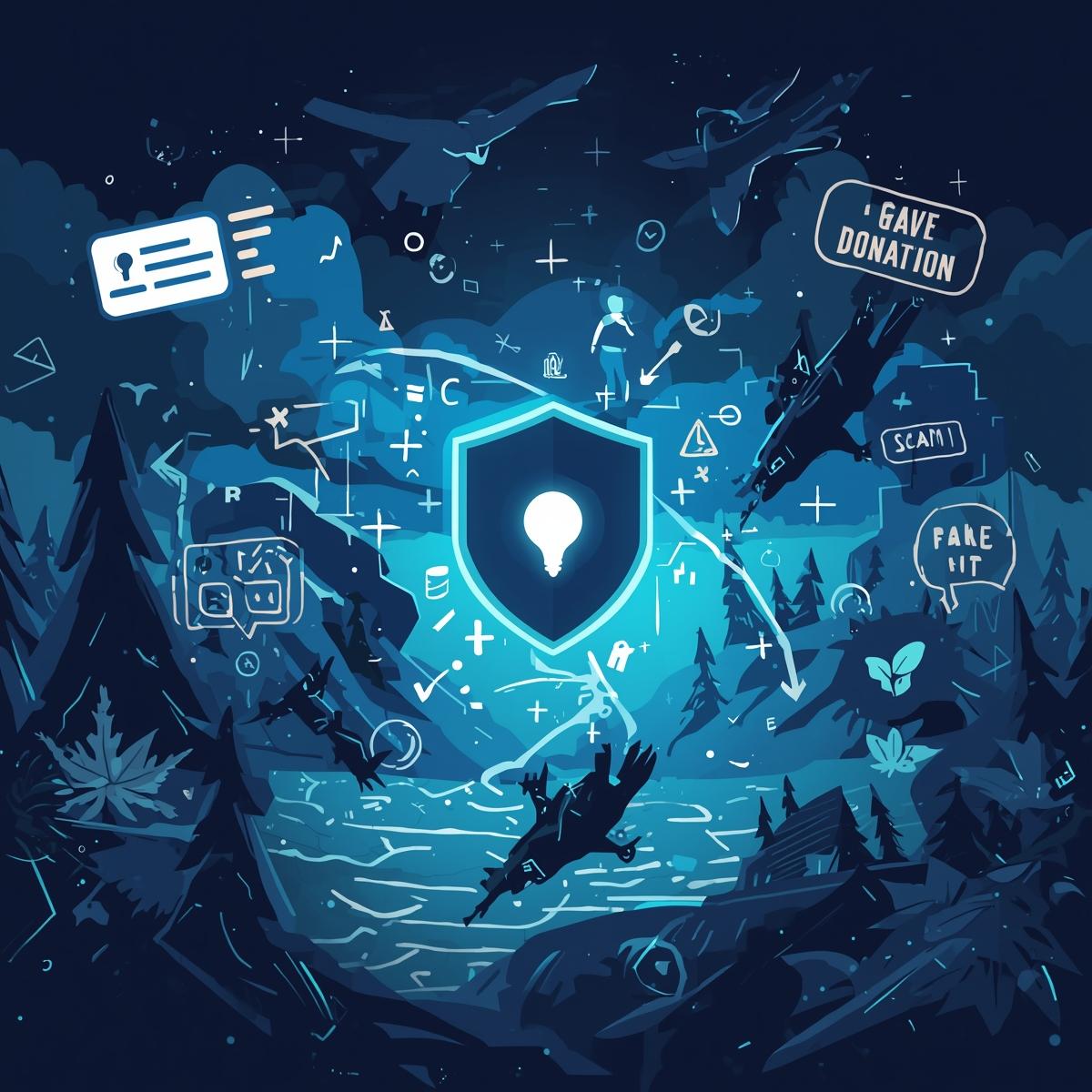
CISA Warns of Rising Cyber Scams Exploiting Natural Disasters
When natural disasters strike, cybercriminals are never far behind.
The Cybersecurity and Infrastructure Security Agency (CISA) has issued a public advisory warning of a sharp increase in scam activity targeting disaster victims, first responders, and concerned donors in the aftermath of major emergencies.
These campaigns exploit fear, urgency, and goodwill, using sophisticated social engineering techniques disguised as legitimate relief efforts to steal personal information, deploy malware, or commit financial fraud.
⚠️ Why Disasters Create Prime Conditions for Scams
During disasters, people are:
Actively seeking help and information
Emotionally stressed and time-constrained
More likely to trust urgent messages
Threat actors take advantage of this environment by crafting highly convincing communications that appear to come from:
Government agencies
Emergency responders
Relief organizations
Charities and donation platforms
According to CISA, disaster-related fraud has become one of the most effective social engineering vectors due to its emotional impact and rapid spread across digital channels.
🎯 Common Scam Techniques Identified by CISA
CISA outlines several recurring attack methods used during disaster events:
📧 Phishing emails with disaster-themed subject lines and malicious links
📱 SMS phishing (smishing) impersonating relief agencies or aid programs
🌐 Fake social media posts requesting donations or personal information
🚪 In-person solicitations posing as emergency responders or inspectors
Despite different delivery methods, the objective is always the same:
Exploit trust to steal data or money.
🛑 Key Warning Signs to Watch For
CISA urges heightened caution when encountering:
Unsolicited messages requesting urgent action
Requests for personal, financial, or login information
Attachments or links tied to disaster updates
Appeals that pressure you to act immediately
Legitimate organizations do not demand sensitive information under urgency.
✅ How to Protect Yourself and Your Organization
CISA recommends several practical defensive steps:
Verify all disaster-related communications using independently sourced contact information
Rely only on official channels, including:
Local government announcements
FEMA
DHS’s Ready.gov
Confirm charities through official websites before donating
Avoid clicking links or downloading attachments from unsolicited messages
For additional protection, CISA points to resources from:
The Federal Trade Commission (FTC) on disaster scams
The Consumer Financial Protection Bureau (CFPB) for fraud detection
FEMA’s disaster fraud guidance
CISA’s Phishing Prevention Framework for organizations
🔐 The Elliptic Systems Perspective
Disaster-related scams highlight a critical security reality:
Attackers don’t wait for systems to fail — they wait for people to be vulnerable.
During crises, human judgment becomes the primary attack surface.
At Elliptic Systems, we advise organizations to:
Reinforce security awareness before disaster seasons
Establish verified communication channels for emergencies
Train employees and communities to recognize crisis-based social engineering
Preparedness isn’t just about infrastructure — it’s about informed decision-making under pressure.
👉 Schedule a Security Awareness & Risk Readiness Session
⚠️ Final Takeaway
Natural disasters create chaos — scammers thrive in it.
By slowing down, verifying sources, and relying on official information, individuals and organizations can prevent a difficult situation from becoming a devastating one.
Security during emergencies starts with skepticism, verification, and calm response.
Elliptic Systems — Helping You Stay Secure When It Matters Most.


